

The Phoenix Diaries: The Chapter When Someone Was Killed in a Chateau
A murder mystery, a forgotten dream, and the roles we choose to keep playing.

Phoenix Diaries
Personal stories of transformation, heartbreak, and rebuilding from ground zero.
The chateau looks like it knows something.
Tall windows. Long corridors. The kind of staircase that encourages secrets and possibly bad decisions. Then we’re handed a murder file and informed, very calmly, that someone was killed here in the early 1900s.
Unsolved.
For two days, we became investigators. I mentally placed a sensible hat on my head and entered my Jessica Fletcher era (if you know, you know). If anyone was going to solve a century-old crime in rural France, it may as well be a group of semi-caffeinated writers let loose in a building with too many corridors and not enough supervision.
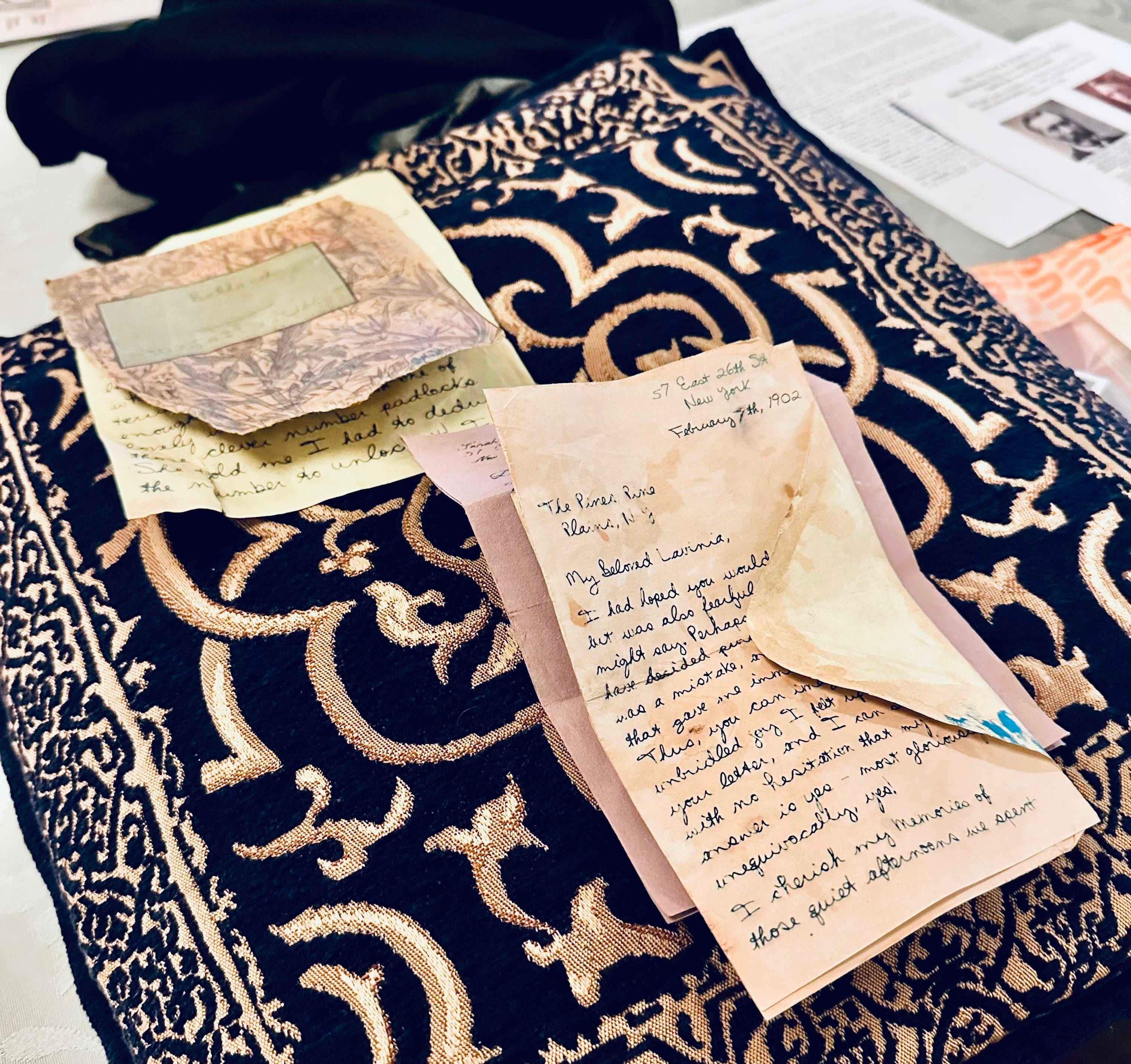
We were given transcripts from the original interviews, a cast of suspects with deeply questionable alibis, and told that clues had been woven into the building itself. Drawers. Cabinets. Locked boxes. Letters tucked where letters should never be tucked.
And that is how a group of grown adults ended up navigating narrow back staircases, lifting carpets like we were in a period drama with trust issues, squinting at coded messages we absolutely believed we could crack, fuelled by coffee, tea, wine, and brownies that did nothing to improve our logic but significantly boosted morale.
Keys unlocked compartments. Compartments revealed letters. Letters exposed motives. Someone found a clue in a place so obvious we stood there in silence, equal parts impressed and mildly offended, as though the chateau had personally outwitted us.
The game designer built it beautifully. Every detail earned its place. Nothing floated. Everything led somewhere. It was like being inside a living screenplay, except none of us were getting paid and someone kept misplacing the pen.
The moment you’re told there is an answer, and that attention will uncover it, something inside you sharpens.
Shoulders lean forward. Conversations shift. You start scanning the room like it might confess if you stare at it long enough.
I recognized that feeling.
I used to live inside scripts.
Actor. Dancer. Girl with an electric typewriter and unreasonable ambition. I wanted to write stories. I wanted to step into them. I wanted to build worlds and walk through them with conviction.
Life offered different roles.
Capable one. Organizer. The woman who could hold everything together with colour-coded precision and a calm smile. The creative hunger got filed under “later,” which is a very efficient way of saying “not now” in business-casual language.
And then years pass.
In the chateau, surrounded by transcripts from 1902, I felt the thrill of following a narrative again. Searching for patterns. Trusting that the clues meant something. Letting curiosity drive instead of responsibility.
There’s comfort in a mystery that promises resolution.
Real life moves differently. It scatters pages across rooms and calls it character development. Some land face up. Some slide under the sofa and reappear when you’re vacuuming at the most inconvenient time.
There are no transcripts explaining why you said yes when you meant no. No neat suspect board for heartbreak. No tidy envelope revealing why that version of you stayed so long.
Still, the parallels felt loud.
For years, I performed competence with alarming consistency. I wore it well. It impressed people. It paid bills. It looked solid from the outside.
Meanwhile, the part of me that wanted to write waited in the wings, tapping her foot, checking her watch, wondering when she’d be called back on stage.
Now I’m here. Writing again. Creating again. Living in places that feel like film sets. Spending evenings decoding century-old letters and calling it leisure, which feels like growth with a side of mild eccentricity.
Somewhere between cracking a cipher and confidently accusing the wrong suspect, I realized how much I missed this version of myself. The one who follows curiosity down hallways. The one who sees a locked cabinet and thinks, excellent, let’s open that and see what happens.
We solved the murder in the end. After hours of cross-referencing statements and rearranging theories with the seriousness of people who had absolutely no formal authority, the pieces aligned.
There’s a specific sound a room makes when everything clicks. A low inhale. A shift in energy. The relief of coherence.
I stood there thinking how rare that is outside of games.
Life hands you fragments. Hints. Gut feelings. The occasional cosmic nudge that feels suspiciously well-timed.
I don’t have the full script for this chapter. I’m not even sure of the genre some days. Romantic comedy? Psychological thriller? Indie coming-of-age with questionable budgeting and dramatic lighting?
What I do know is this.
I’m writing again.
I’m choosing scenes with intention and I’m following clues that lead back to myself.
Maybe life isn’t a mystery to solve. Maybe it’s a story to inhabit fully, even when the ending hasn’t revealed itself yet.
And if there’s a locked cabinet ahead, I won’t wait for someone to hand me the key.
I’ll check under the carpet.
Tell me…
If your life is a mystery, are you solving it, or finally writing it?
Such a good reminder to play, be curious and explore!